A Place Apart: The Monastery of Christ in the Desert
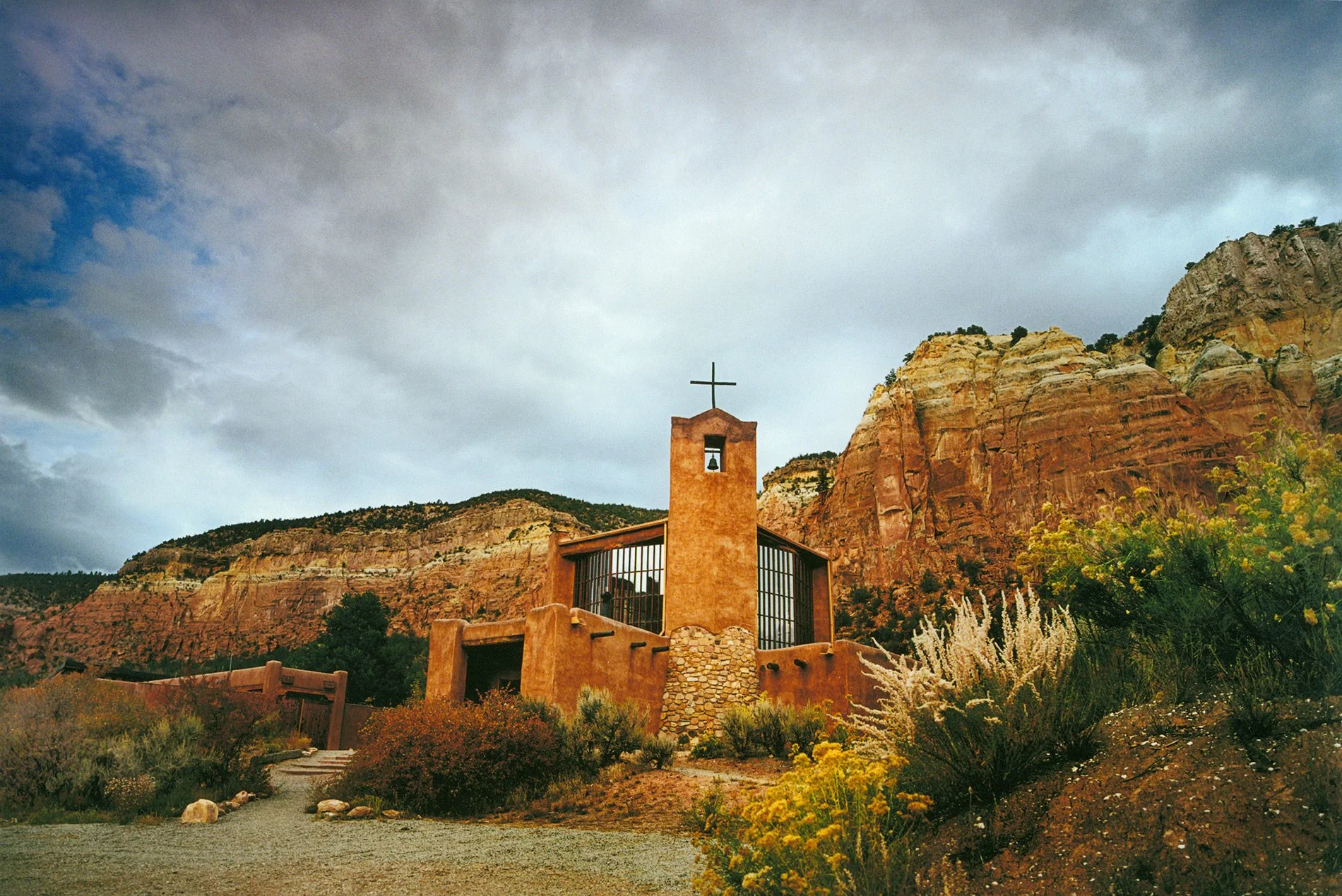
Hidden in a remote canyon of the Chama River, northwest of Santa Fe and not far from Ghost Ranch, the Monastery of Christ in the Desert is one of Northern New Mexico's more remarkable destinations. Reaching it is an adventure in itself. The final miles follow a graded dirt road through spectacular country, at times running precariously close to the river. The road can be rough, and wet weather makes the journey inadvisable. But for those who make the trip, the reward is a place where landscape, architecture, and a centuries-old spiritual tradition come together.
Founded in 1964, the monastery is home to a community of Benedictine monks. Their way of life follows the Rule of St. Benedict, written in the sixth century, which balances prayer, work, communal life, and hospitality. The familiar expression ora et labora — pray and work — captures something of this tradition. The monks maintain their community and welcome visitors, but their central purpose remains the daily cycle of prayer and worship.
The monastery's church is striking even from the outside. Its soaring walls echo the warm colors of the surrounding cliffs, as though the building has grown naturally from the canyon itself. Inside, desert light pours through vast, clear windows, illuminating an interior whose beauty lies in its restraint.
Designed by architect and woodworker George Nakashima, the sanctuary uses simple materials and forms to memorable effect. The altar, wooden furnishings, and unadorned interior invite attention without demanding it. There is little of the elaborate ornamentation one might expect in a traditional Catholic church. Instead, the architecture allows the materials, the light, and the quiet to speak for themselves.
Even the small details reward attention. A bell summons the monks to the liturgical offices throughout the day, and the simple bell rope offers a tangible connection between the physical church and the community's daily rhythm. The building is not merely a monument to faith; it remains a working place of worship.
Visitors today can stop at the monastery's gift shop and speak with a brother about the community and its life. In earlier days, visitors might have had to ring a bell and wait for the monk on duty to come out and speak with them. The change makes the monastery more accessible while preserving something of its sense of separation from the outside world.
For those seeking a deeper experience, the monastery has also welcomed guests for retreats, offering an opportunity to share in its quiet surroundings and, where appropriate, attend the daily services. Such a visit is not a conventional hotel stay, but an invitation to step outside the familiar rhythms of everyday life.
The Monastery of Christ in the Desert is worth visiting for its architecture and extraordinary setting alone. But its deeper interest lies in the life unfolding within its walls: a community that has chosen prayer, work, and silence in a canyon far removed from the bustle of the modern world.