The Two Eccentric Women Behind Santa Fe's Indian Market
Every August, hundreds of Native American artists transform the Santa Fe Plaza into one of the world's greatest celebrations of Indigenous art. Few visitors realize that the roots of today's Indian Market can be traced, in part, to two remarkably unconventional women—and to the crumbling ruins of an adobe castle hidden near Tsankawi Mesa.
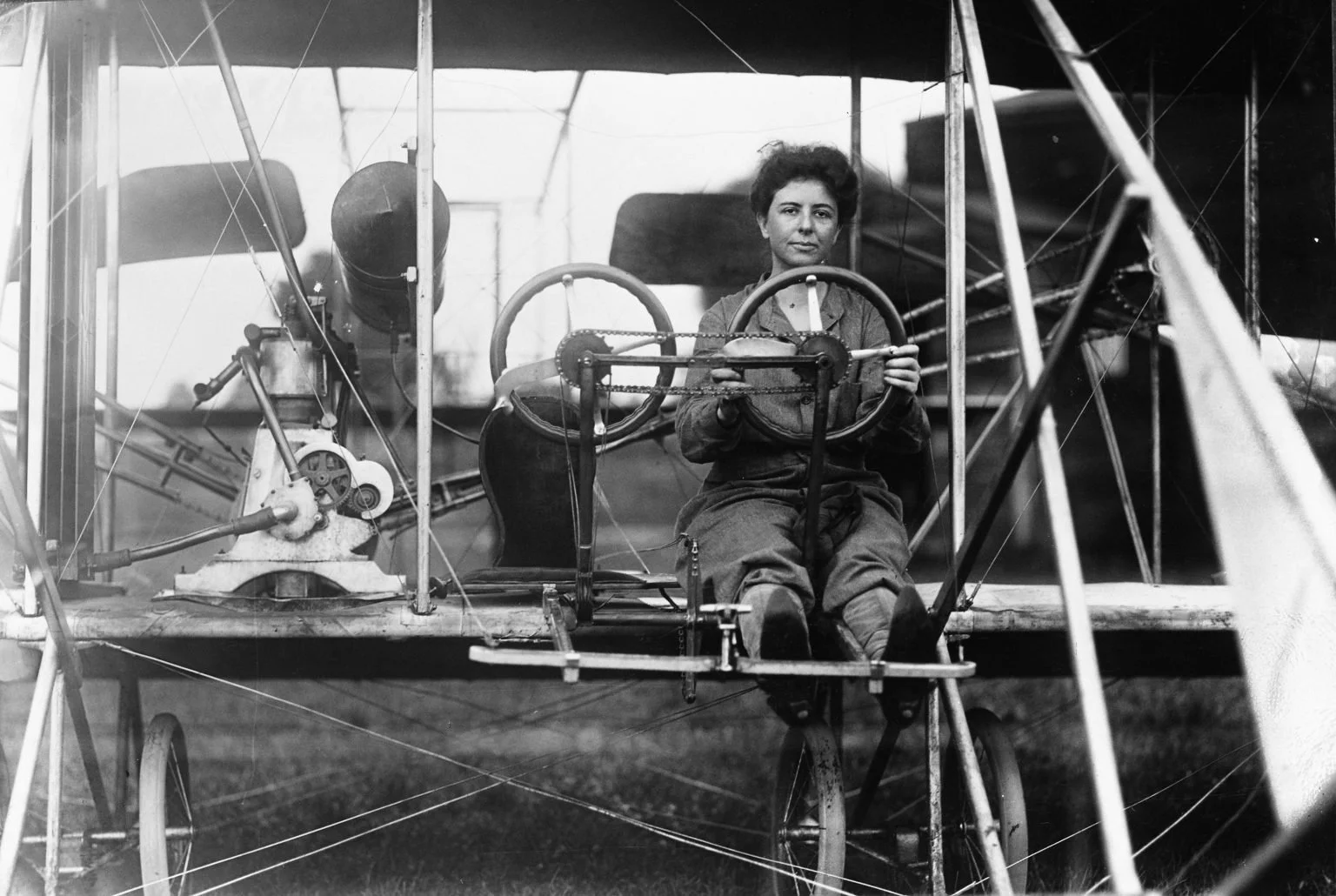
One of them, Rose Dougan, could have stepped out of an adventure novel. Born in Richmond, Indiana, and educated at the Quaker Earlham College, she inherited a comfortable fortune but preferred excitement to convention. She dressed in men's clothing, smoked cigars, learned to fly from the Wright brothers, and became the first woman to pilot an airplane over Santa Fe.
Her partner could hardly have been more different. Verra von Blumenthal, born Verra Xenophontovna Kalamatiano, came from an aristocratic Russian family and had devoted years to promoting traditional peasant handicrafts in Europe. With flowing robes and an almost mystical appearance, she seemed perfectly suited to life in the high desert.
Around 1918, the two women built what became known as Duchess Castle, an isolated stone and adobe compound not far from Los Alamos, below Tsankawi Mesa on the Pajarito Plateau. There they established a pottery school, inviting artists from nearby San Ildefonso Pueblo to experiment with older Pueblo techniques at a time when inexpensive tourist pottery threatened to replace traditional craftsmanship.
Their efforts were only one part of a much larger movement led by Pueblo artists, archaeologists, and patrons who believed Native pottery should be appreciated as fine art rather than simply as souvenirs. Rose Dougan put her money behind that vision, helping fund prizes and museum purchases that rewarded excellence instead of quantity. Those early competitions, organized by the Museum of New Mexico in the early 1920s, became one of the foundations of what would evolve into today's Santa Fe Indian Market.
Of course, the real story belongs to the Pueblo potters themselves. Artists such as Maria Martinez drew upon centuries of tradition while embracing new opportunities to create works of extraordinary beauty. The patrons opened a few doors—but it was the artists who transformed Pueblo pottery into one of the world's most admired artistic traditions.
Today, little remains of Duchess Castle beyond weathered stone walls visible from Tsankawi. Yet its brief and improbable history reminds us that Santa Fe has always attracted dreamers, visionaries, and delightful eccentrics. During Indian Market weekend, as you admire the remarkable artistry surrounding the Plaza, it's worth remembering that a cigar-smoking aviator from Indiana and a Russian craft enthusiast played a small but fascinating role in helping one of Santa Fe's greatest traditions take flight.