Waiting for the Monsoon
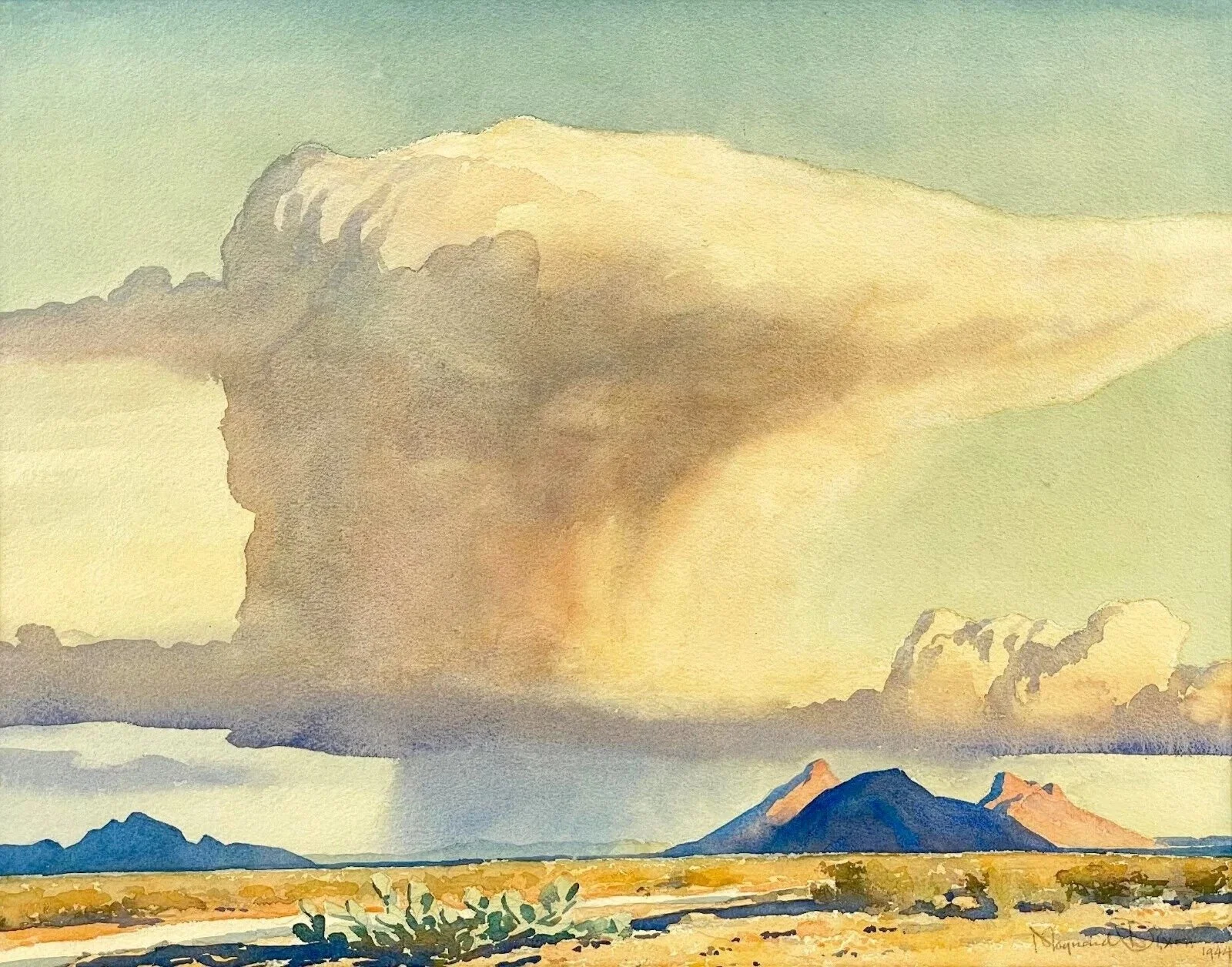
Every summer, visitors to Santa Fe notice a dramatic change in the sky. Mornings often begin bright and cloudless, but by afternoon towering thunderheads rise above the Sangre de Cristo Mountains, lightning flashes in the distance, and rain curtains sweep across the landscape. Welcome to New Mexico's monsoon season.
The word monsoon is often used as a synonym for heavy rain, but meteorologists mean something more specific. A monsoon is a seasonal shift in wind patterns. In the American Southwest, intense summer heating over the deserts of Arizona, New Mexico, and northern Mexico creates a large area of low pressure. As the atmosphere responds, winds begin drawing moisture northward from the tropics, particularly from the Gulf of California and the eastern Pacific.
That influx of moisture transforms our weather. After months of hot, dry conditions, the atmosphere suddenly has both heat and humidity—perfect ingredients for afternoon thunderstorms. The mountains surrounding Santa Fe help lift the moist air, producing the familiar pattern of sunny mornings followed by dramatic cloud build-ups and evening showers.
For New Mexicans, the monsoon is more than a weather event. It is a season of anticipation and renewal. The scent of rain on dry earth, known as petrichor, drifts across the high desert. Grasses green up, wildflowers appear, and thirsty arroyos may briefly come to life with flowing water.
Visitors are often surprised to learn that some of our most spectacular weather arrives during the warmest months of the year. A summer afternoon on the Plaza can begin under brilliant sunshine and end with thunder echoing across the mountains.
Artists have long been captivated by these skies. The great Western painter Maynard Dixon frequently depicted vast desert landscapes beneath towering storm clouds, capturing the drama and grandeur of the Southwest monsoon. His paintings remind us that in the high desert, some of the most beautiful moments arrive with the rain.